
“Personal data is the most valuable commodity in the world right now. I mean, it’s far more valuable than any energy source or any other commodity you can think about, and we have given it over.” — Hillary Clinton (International Technology Innovation Foundation, 2019)
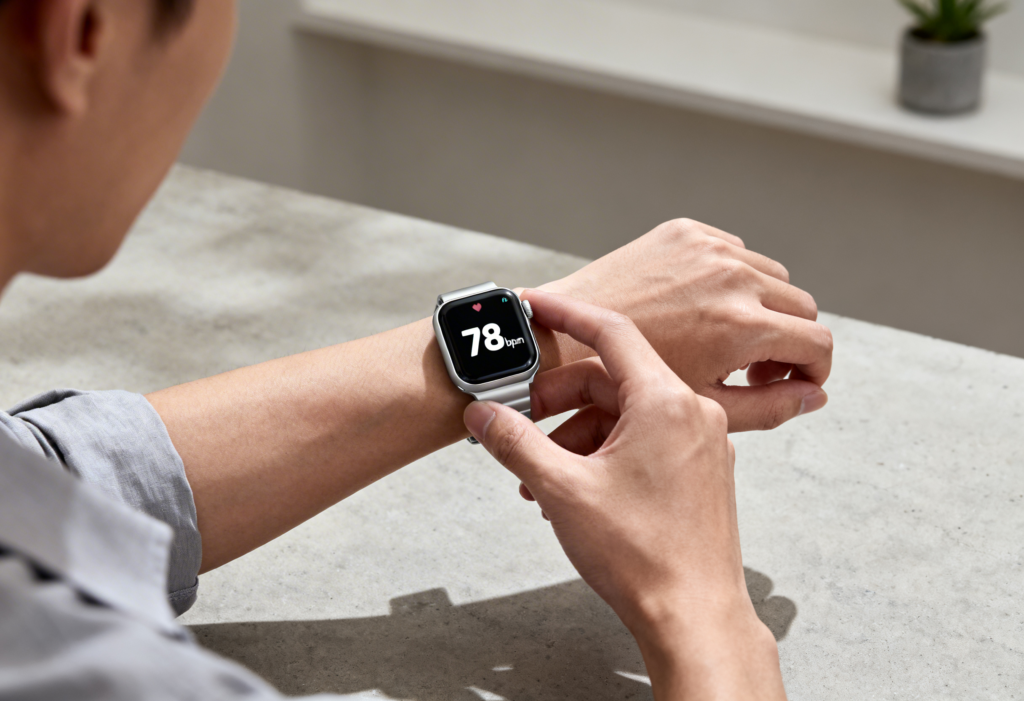
In healthcare, your blood reports, wearable data, genetic tests, clinic visits, prescriptions, every heartbeat logged, every glucose reading synced, every app you open, and even search history. quietly adds to a digital health profile that is now more valuable than many physical assets.
And here’s the uncomfortable truth: your health data is deeply personal, highly valuable, and not always as protected as patients assume.This matters not just for privacy but also for disease prevention, healthy aging, and longevity, where digital health tools are playing a growing role. Understanding how your data is used, shared, and protected is now part of taking care of your health.
Why Health Data Has Become So Valuable
Healthcare data is uniquely powerful because it is:
- Permanent (you can change a password, not your DNA)
- Predictive (it can forecast disease risk years in advance)
- Profitable (used in research, insurance modeling, AI tools, and drug development)
According to a World Economic Forum report, health-related data is categorized as a highly sensitive type of information, and ensuring its secure and ethical use is critical to protect patients and build trust in digital health systems. (WEF, 2022).
At the same time, responsible use of health data has clear benefits:
- Earlier disease detection
- Personalized prevention plans
- Better chronic disease management
- Longer, healthier lives
The Hidden Power of Your Health Data in Preventing Diseases
Imagine catching a potential health issue before it takes root. That’s the promise of health data in preventive care. By tracking patterns in things like blood pressure, activity levels, or even sleep, we can spot early warning signs of conditions such as diabetes or heart disease.
Wearable devices and apps collect real-time data that can alert you to irregularities, encouraging timely check-ups. Here are some practical ways health data supports prevention:
- Personalized Alerts: Apps analyze your daily habits to suggest adjustments, like more walking to lower cardiovascular risks.
- Population Insights: Aggregated data from communities helps public health experts identify trends, such as rising obesity rates, leading to targeted programs. (Taylor & McGuire, 2017)
- Vaccination and Screening Reminders: Electronic health records ensure you don’t miss important preventive steps, boosting overall community health. (Office of Disease Prevention and Health Promotion, n.d.)
It’s reassuring to know that something as simple as sharing anonymized data can contribute to broader disease prevention efforts, like those led by the CDC, without compromising your personal story.
Who Is Supposed to Protect Your Health Data?
1. Traditional Healthcare Systems
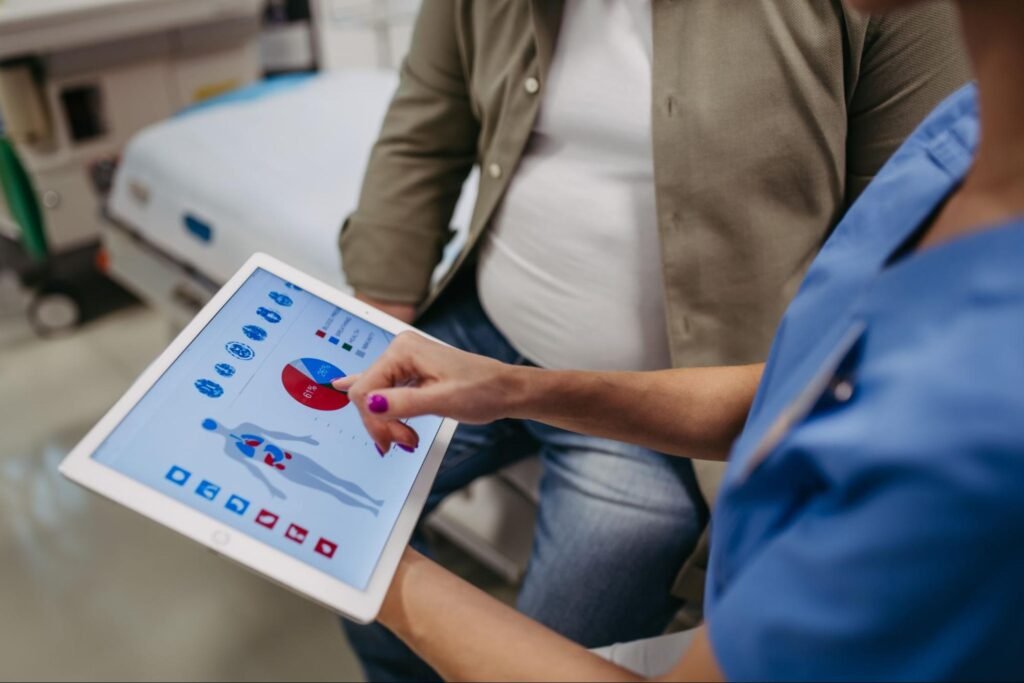
Hospitals and clinics are covered by HIPAA, which limits how protected health information (PHI) can be shared. HIPAA provides patients the right to access, correct, and limit certain uses of their medical data. But HIPAA does not cover everything.
2. Health Apps, Wearables, and Wellness Platforms
Many fitness trackers, nutrition apps, and mental health platforms are not covered by HIPAA. The Federal Trade Commission (FTC) has warned that some health apps share sensitive data with third parties for advertising or analytics without clear patient understanding (FTC, 2021). This is where gaps often appear.
Why This Matters for Healthy Aging & Longevity
Healthy aging is about living better, with autonomy and dignity. When health data is misused, it can:
- Influence insurance eligibility
- Shape algorithm-based risk scoring
- Affect access to preventive services
- Erode trust in digital health tools
What You Can Do as a Patient
You don’t need to fear technology. You need to use it consciously.
Before Using a Health App or Device:
- Read the privacy policy summary, not just the checkbox
- Look for phrases like “data sharing with partners”
- Prefer platforms backed by healthcare institutions or universities
With Your Healthcare Provider:
- Ask how your data is stored and shared
- Use patient portals with two-factor authentication
- Regularly review your medical records for accuracy
For Long-Term Digital Health:
- Share only what’s necessary
- Avoid linking health apps to social media accounts
- Update passwords and permissions yearly
These small actions support both personal prevention and data safety.
Final Thought
Your health data is valuable because you are valuable. Protecting it isn’t about paranoia, it’s about respect. Respect for your future health, your autonomy, and your right to age with confidence.
Prevention isn’t just about what you eat or how you move.
It’s also about who you trust with your story written in data.
Here are five concise FAQs with short, reassuring answers (each around 3 lines) to fit naturally at the end of your blog. They draw from reliable sources like HHS, FTC, and current guidance on health data privacy.
FAQs
1. Does HIPAA protect the data from my fitness tracker or health app?
No, most consumer wearables and apps aren’t covered by HIPAA unless directly provided by your doctor or a covered entity. They fall under FTC rules instead, so always review the app’s privacy policy for how data is shared or sold.
2. What rights do I have over my health records with doctors or hospitals?
Under HIPAA, you can access your records, request corrections, and limit who sees certain information. You also have the right to get copies and direct sharing to others, helping you stay in control of your preventive care data.
3. How do I know if a health app is handling my data safely?
Look for clear privacy policies explaining data collection, sharing, and opt-out options. Prefer apps from trusted healthcare providers or those with strong security features like encryption. FTC guidance urges caution with third-party sharing for ads.
4. What happens if my health data from an app gets breached?
For non-HIPAA apps, the FTC’s Health Breach Notification Rule often requires companies to notify you of breaches involving personal health records. Report issues to the FTC or your provider, and monitor your accounts to protect your long-term health choices.
5. Can my wearable data impact insurance rates or job opportunities?
It’s possible if shared improperly, but HIPAA limits this for doctor-linked data. For consumer apps, minimize risks by limiting sharing, reviewing permissions often, and choosing privacy-focused tools to support safe aging and prevention.
References
- McLaughlin, M. (2019, January 23). Hillary Clinton is wrong: Your data is not worth more than gold. Information Technology and Innovation Foundation. https://itif.org/publications/2019/01/23/hillary-clinton-wrong-your-data-not-worth-more-gold/
- Singh, S. (2022, August 4). The importance of securing healthcare data. World Economic Forum. https://www.weforum.org/stories/2022/08/the-importance-of-securing-healthcare-data/
- Taylor, C. A. (2017). The CDC healthy aging data portal. PubMed Central. https://pmc.ncbi.nlm.nih.gov/articles/PMC6241432/
- Office of Disease Prevention and Health Promotion. (n.d.). Social determinants of health and older adults. U.S. Department of Health and Human Services. https://odphp.health.gov/our-work/national-health-initiatives/healthy-aging/social-determinants-health-and-older-adults
- Federal Trade Commission. (2021, January). Does your health app protect your sensitive info?https://consumer.ftc.gov/consumer-alerts/2021/01/does-your-health-app-protect-your-sensitive-info