
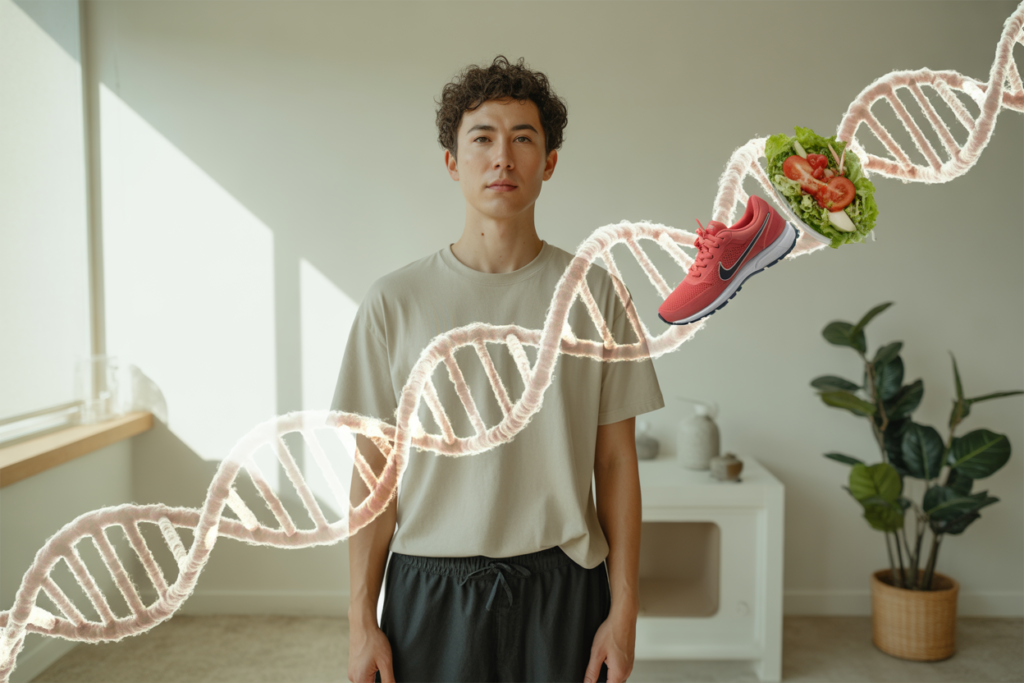
“Genes load the gun, but environment pulls the trigger.” Family history isn’t a life sentence. Dr. Steven H. Reinberg
When we hear the words “family history,” we frequently think of genetic predispositions and the idea that we are doomed to have the same health problems as our relatives. But what if I told you that your genes don’t matter as much as you believe they do? The good news is that your family history doesn’t have to dominate your life. You can take charge of your health no matter what genetic cards you’ve been dealt.
The truth about family history and genetic risk
When you find out that heart disease, cancer, or diabetes runs in your family, it’s normal to feel scared. It’s simple to think that your genes determine your fate. It’s true that your genes have a big impact on your health, but they’re not the only thing that matters.
Genetics can make it more likely that you will have certain disorders, but they don’t make it happen. Approximately 5% to 10% of all diseases are “genetic” (National Institute of Health, 2024).
The rest? A lot of things affect them, such the way you live, where you live, and even how you think. You might be genetically susceptible to a sickness, but how you act and take care of your health will determine if you get it.
You Have Control: The Power of Prevention
You can’t change your DNA, but you can modify how your body shows those genes. This is where epigenetics enters in. Epigenetics is the study of how things other than changes in the DNA sequence affect gene expression. In simple terms, the way you live your life what you eat, how much you work out, how stressed you are, and how much sleep you get can affect how your genes work.
Heart disease is one example. You may have genes that make you more likely to have it, but living a heart-healthy lifestyle by eating a balanced diet, working out frequently, managing stress, and quitting smoking will greatly lower your risk, even if it runs in your family.
What Your Doctor Might Not Tell You: Your Lifestyle Is More Important Than You Think
When doctors talk about family history, it’s easy to believe in the “genetic destiny” idea. But even though they may look for prevalent genetic problems based on your family history, they don’t always stress how lifestyle choices might change that path. Most doctors focus on treating problems that are already there instead of avoiding new ones. Sometimes, prevention doesn’t come up in conversation.
The truth is that prevention is typically more effective than treatment. Studies demonstrate that most long-term health problems can be avoided by keeping up good practices. For instance, diet and exercise can typically stop or slow down the onset of Type 2 diabetes, which has a hereditary component (American Diabetes Association, 2024).
The Importance of Nutrition: Give Your Body Energy for the Long Term
Your diet is one of the most essential things you can do to help yourself. What you consume has a big effect on how your body reacts to the genes you were born with. Eating a lot of complete foods, such fruits, vegetables, whole grains, and healthy fats, can help lower inflammation and oxidative stress in your body. These two things are associated to a lot of chronic diseases.
For example, eating a lot of foods high in antioxidants can help repair DNA damage that could lead to cancer if you have a family history of the disease. The National Cancer Institute says that foods like berries, almonds, and green leafy vegetables can help combat cancer.
Exercise: The Gene Modifier
Exercise is another great way to fight hereditary risk. No matter what your genetic background is, studies suggest that regular physical activity can lower your risk of getting heart disease, diabetes, and even some malignancies. Strength training, cardiovascular exercise, and even mind-body practices like yoga have been shown to help control the genes that control metabolism and inflammation.
If your family has a history of osteoporosis, weight-bearing workouts like walking or resistance training can help keep your bones strong and stop them from losing density.
The Hidden Effects of Stress and Sleep on Your Genes
How you deal with stress and make sleep a priority can have a big impact on your health. Researchers at Harvard Medical School (2023) say that chronic stress can turn on genes that are linked to inflammation, which is a factor in heart disease, diabetes, and cancer. Mindfulness, meditation, and regular relaxation exercises are among ways to manage stress that can help keep those genes in check.
Getting enough sleep is also very important. There is a correlation between not getting enough sleep and several long-term health problems, including as obesity, heart disease, and diabetes. The body heals itself while you sleep, and not getting enough sleep might make it harder for the body to heal and fight off infections (National Sleep Foundation, 2024).
What Can You Do? Do Something Today
The most powerful message here is that you don’t have to accept what your genes say about you. You may greatly lower the risks that come with hereditary diseases by making better decisions about your health and taking steps to prevent them.
Stay active by doing at least 150 minutes of moderate exercise per week. Include both strength training and aerobics.
Eat for Health: Make sure your diet is balanced and full of nutrients, with lots of antioxidants, Fiber, and healthy fats.
Manage Stress: Do yoga, meditation, or mindfulness on a regular basis to lower your stress levels.
Sleep is Important: Try to get 7 to 9 hours of good sleep every night to help your body heal and stay in balance.
Check Your Health: To be healthy, you need to get regular checkups and biomarker tests (such cholesterol, blood pressure, and blood sugar).
You Are Not Powerless
Your genes don’t have the last say on your health. Your family’s past may make you more likely to get some diseases, but it doesn’t have to decide your future. You may greatly lower your risk of getting chronic diseases, even if they run in your family, by taking a proactive, prevention-focused approach to your health.
You are in charge of your own health, so start now.
References
American Diabetes Association. (2024, January 1). Lifestyle management. https://www.diabetes.org/lifestyle-management
Harvard Medical School. (2023, May 15). How stress affects your health. Harvard Health Publishing. https://www.health.harvard.edu/stress
National Cancer Institute. (2024, February 10). Nutrition and cancer prevention. https://www.cancer.gov/about-cancer/causes-prevention/risk/diet
National Institute of Health. (2024, March 5). Genetics and health: Understanding the role of genes in disease. https://www.nih.gov/genetics-and-healthNational Sleep Foundation. (2024, April 20). The importance of sleep. https://www.sleepfoundation.org/how-sleep-works