
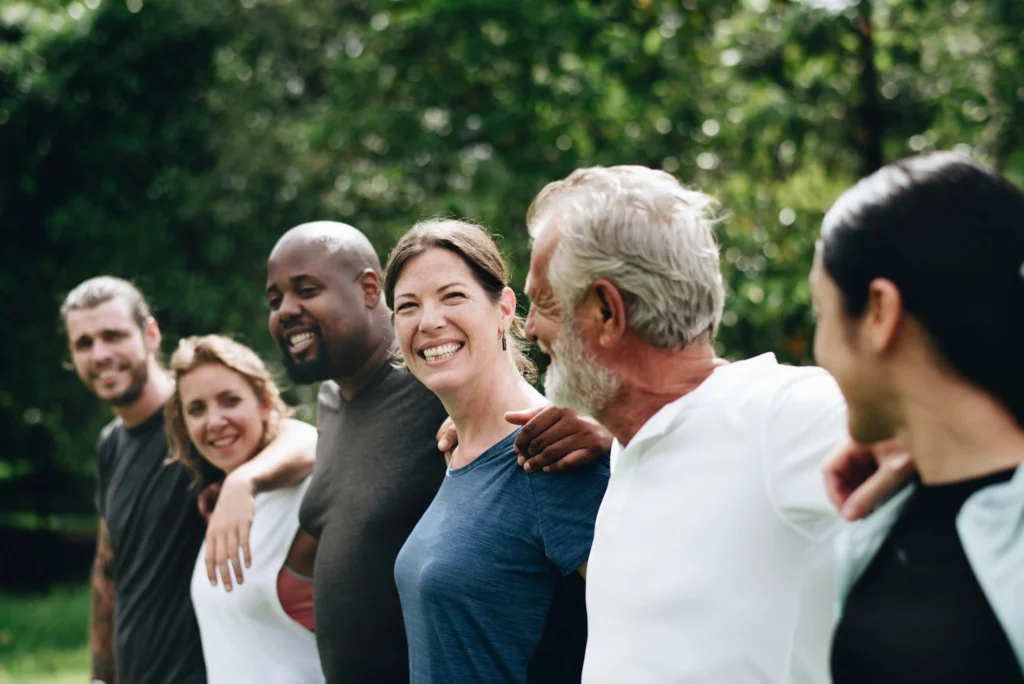
“Loneliness and weak social connections are associated with a reduction in lifespan similar to that caused by smoking 15 cigarettes a day.”
U.S. Surgeon General, Dr. Vivek Murthy
In a world obsessed with keto diets, HIIT workouts, and anti-aging supplements, the most powerful longevity hack is hiding in plain sight: your relationships. As patients managing chronic conditions, recovery, or simply the challenges of aging, you’ve likely tried every tip for better health. But research shows that strong social connections can add years to your life, often more than diet or exercise alone.
Lifelong social ties slow biological aging at the cellular level, reduce chronic inflammation, and protect against diseases like heart conditions and dementia. If you’re feeling isolated due to health issues, this isn’t just emotional, but it’s a critical health risk. The good news? Building meaningful connections is achievable, even with limitations, and it could be the key to living longer and healthier.
What is Longevity?
Living longer is not simply about avoiding disease or extending lifespan by a few years. For patients, longevity means maintaining physical function, mental clarity, emotional stability, and independence as they age.
Many individuals reach midlife or later adulthood without major diagnoses yet report persistent tiredness, poor sleep, and reduced resilience. These experiences are frequently dismissed as “normal aging,” when in fact they may reflect deeper physiological strain.
How Social Connection Directly Affects Your Health
We often think of loneliness as a feeling, but for a patient, it is a physiological stressor. When we feel isolated or unsupported, our bodies perceive a threat. This triggers the “fight or flight” response, leading to increased levels of cortisol and systemic inflammation. For someone managing a condition like heart disease or diabetes, chronic inflammation is the enemy. It slows healing, worsens pain, and taxes the immune system.
The Harvard Grant Study, the longest-running research on happiness and health (spanning over 85 years), reveals that quality relationships, not wealth, fame, or even cholesterol levels, best predict long-term well-being and longevity. Participants with warm, supportive ties at age 50 were the healthiest at 80.
The Hidden Dangers of Loneliness on Health and Lifespan
Being a patient can be an inherently isolating experience. Illness often forces us to withdraw from our usual social circles. You might feel like your friends “don’t get it,” or you might lack the energy to attend social gatherings.
However, this is exactly when the “Longevity Hack” is most critical. Isolation acts as a multiplier for physical symptoms. When you are alone, pain feels sharper. Recovery feels longer. The mental weight of a diagnosis feels heavier.
Humanizing your healthcare journey means acknowledging that you are more than a diagnosis; you are a social creature. Finding a tribe, whether that is a formal support group, a hobby club, or just a weekly phone call with a sibling, tells your nervous system that it is safe to move from “survival mode” into “repair mode.”
How Patients Can Combat Isolation and Build Lifelong Connections
If you’re a patient managing low energy or mobility issues, the idea of “getting out there” can feel exhausting. But social connection doesn’t have to mean a night on the town. Think of it as Micro-Connections.
- The “Five-Minute” Rule: Don’t wait for an hour of free time. A five-minute check-in call with a friend can lower your heart rate and boost oxytocin.
- Shared Vulnerability: Join a community of people facing similar health challenges. There is a specific kind of healing that happens when you realize you aren’t the only one “going through it.”
- Digital with Intention: Instead of mindlessly scrolling social media (which often increases loneliness), use technology to FaceTime a loved one or participate in an interactive forum.
- The “Helper” High: Research shows that helping others is one of the fastest ways to improve your own health. Even a small gesture, like sending a supportive text to someone else, can trigger a “helper’s high” that reduces your own stress.
- Incorporate low-effort activities: Invite friends for tea, join virtual book clubs, or adopt a pet for companionship and motivation to interact.
Consistency builds momentum. One patient shared how a post-diagnosis online group turned into real friendships, easing pain and restoring joy.
Why Prioritizing Relationships Is the Ultimate Longevity Strategy
We spend a fortune on organic groceries, gym memberships, and the latest medical treatments. These are all valuable tools in your toolkit. But if your toolkit doesn’t include a sense of belonging, you are trying to build a house on a foundation of sand.
As a patient, your “prescription” for longevity should include more than just pills and physical therapy. It should include meaningful interaction. Next time you see your doctor, or next time you’re planning your week, don’t just ask, “What should I eat?” or “How should I move?”
Ask yourself, “Who have I connected with today?” That simple shift in focus might just be the most powerful health intervention you ever make. Longevity isn’t just about adding years to your life; it’s about ensuring those years are filled with the people and connections that make life worth living in the first place.