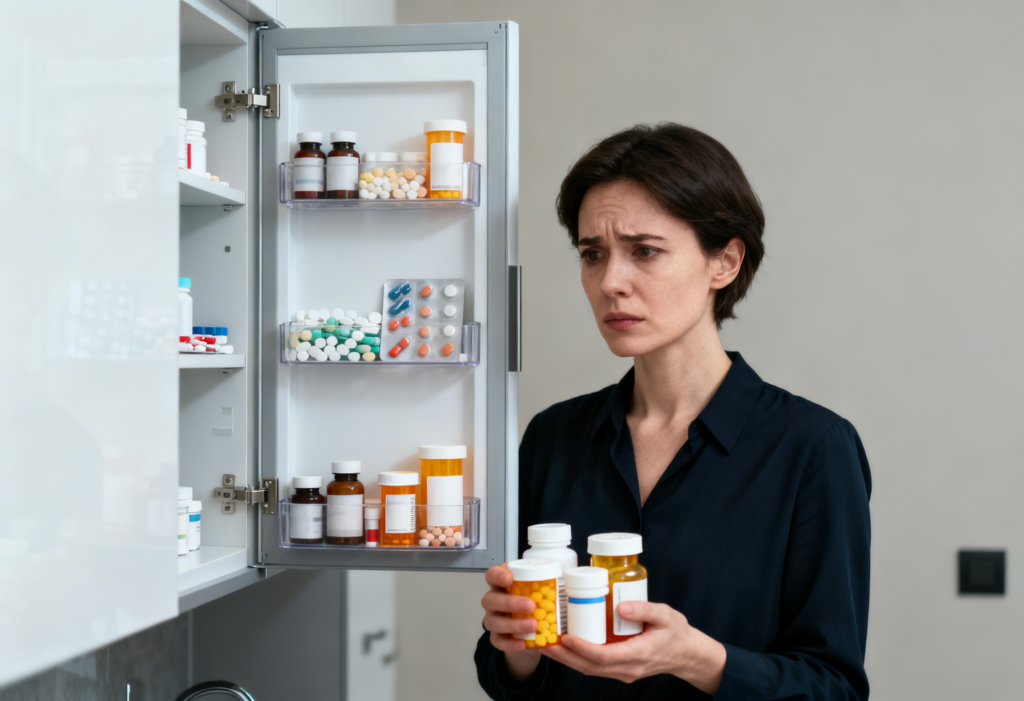
When we go to the doctor and get a prescription, we usually think that each medicine will operate as it should, helping with a specific problem without hurting us. But a lot of people don’t know that prescriptions can occasionally interact with each other, which can make the dangers worse than the problems they were meant to fix. Drug interactions are a concern that is currently hiding in our medication cabinets.
Understanding Drug Interactions
Drugs can interact with each other in different ways, which can make one or both drugs work better or worse. These interactions can be harmful and cause health problems that weren’t expected, from moderate side effects to serious, life-threatening illnesses. For instance, some blood thinners, like warfarin, can influence typical pain medications like ibuprofen or aspirin. This can make it more likely that you will bleed or bruise. Antacids and other medications, on the other hand, might make it harder for the body to absorb important nutrients and other drugs, which can make them less effective or even hazardous.
Types of Drug Interactions
Most drug interactions can be put into one of three groups:
Interactions Between Drugs
This happens when two medications have effects on the body that are similar or opposite, which makes the effects stronger or weaker. For example, combining two central nervous system depressants, like alcohol and sedatives, can slow down breathing and heart rate a lot, which can lead to major problems including respiratory depression or even death.
Interactions between drugs in the body
When one drug changes how the body absorbs, distributes, metabolizes, or gets rid of another drug, these interactions happen. Some medications can make other drugs work faster or slower, which can make them less effective or even dangerous.
Interactions Between Food and Drugs
Certain foods can interact with prescribed drugs, changing how well they work or how quickly they are absorbed. This is not the same as other medications. For example, grapefruit can stop the enzyme that breaks down some drugs, including statins, which makes them stay in the blood longer and raises the chance of side effects.
Why drug interactions can be so harmful
The risk is that it’s easy for someone to forget that interactions can happen. When we get a new prescription, we often don’t think about the prescriptions we’re currently taking. We might not even remember to mention over-the-counter supplements or natural therapies. Sadly, the effects of medicines working together can be unpredictable and sometimes considerably stronger than you think.
For example, using acetaminophen with alcohol or some other drugs can make it more likely that your liver will be hurt. Antibiotics like ciprofloxacin can also make birth control tablets less effective, which can lead to unwanted pregnancies.
Real-Life Example: The Danger of Polypharmacy
Polypharmacy, or taking more than one medicine, is becoming more of a problem in older persons. Many elderly people take a lot of different medications for long-term health problems, and these medications may not always work well together. The American Geriatrics Society has said that taking too many drugs might have serious effects, such as a higher risk of falls, confusion, and possibly hospitalization because of drug interactions. Patients often have adverse effects that they didn’t notice at first, such dizziness or tiredness, which could be caused by the drugs they’re taking together (American Geriatrics Society, 2023).
Mixing antidepressants and benzodiazepines for anxiety can be harmful because both medicines might make you sleepy. When used combined, they can make you very sleepy, make it harder to move about, and make you more likely to fall. Smith, Thomas, & Roberts (2022) have also talked about how drug interactions are becoming more of a problem for older people. This is because older people are more likely to be on more than one medication at a time.
The Importance of Communicating with Healthcare Providers
Talking to each other is one of the best methods to avoid hazardous drug interactions. Always tell your doctor about all the medications you’re taking, even over-the-counter ones and supplements. According to a study in the Journal of Clinical Pharmacology (2022), 40% of people who had bad drug interactions didn’t tell their doctors about all the medicines and supplements they were taking, which led to severe outcomes.
Also, doctors and other healthcare professionals are taught to look for such interactions before giving out drugs. Pharmacists are also a great resource for finding and avoiding drug interactions because they know a lot about drugs and how they can affect the body.
How to Stay Away from Dangerous Drug Interactions
Here are some useful things you can do to avoid bad drug interactions:
- Make sure to keep your list of medications up to date. Keep a current list of all the vitamins, supplements, and prescriptions you take. At every appointment, give this list to your doctor and pharmacist.
- Ask About Possible Interactions When you get a new prescription, ask your doctor if it could interact with any of the medications you are already taking. Don’t be scared to ask why a certain drug is being given to you and how it can affect your health in general.
- Use One Pharmacy If you get all of your prescriptions from the same pharmacy, the pharmacist can keep an eye on your medication list and look for any probable drug interactions.
Don’t take medicine on your own. It’s easy to want to pamper yourself with over-the-counter drugs, but you should always talk to your doctor before adding anything new to your routine, especially if you’re currently on prescription drugs.
Conclusion
The medicines we take to stay healthy can help us get better, but they can also be quite dangerous if we mix them up. Being “fine” doesn’t always imply you’re healthy. When used together, medications can have effects that you didn’t expect. It’s vital to stay up to date and work closely with your healthcare providers to make sure your prescriptions are helping you, not hurting you. To avoid harmful drug interactions, you need to see your doctor regularly, talk to them openly, and remain up to date on your medications.
By taking the initiative to learn how your prescriptions work together, you may avoid the hidden dangers in your medicine cabinet and protect your health for the long run.
References
American Geriatrics Society. (2023). Polypharmacy in Older Adults: Risks and Best Practices. Journal of Geriatric Care, 25(3), 134-140.
Journal of Clinical Pharmacology. (2022). The impact of incomplete medication reporting on adverse drug interactions. J Clin Pharmacol, 58(4), 314-322. https://doi.org/10.1002/jcph.1876
Smith, J., Thomas, R., & Roberts, S. (2022). The growing problem of drug interactions in the elderly. Gerontology and Geriatric Medicine, 8(2), 58-63. https://doi.org/10.1177/2333721421107020