

“Any sufficiently advanced technology is equivalent to magic.” – Arthur C. Clarke
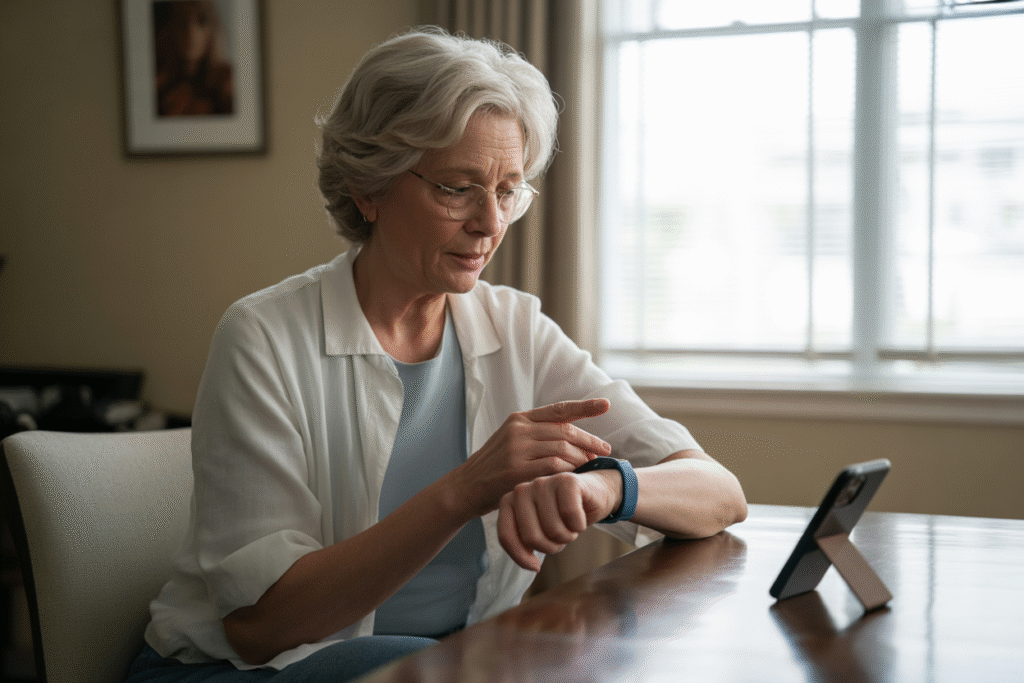
Did you know that in 2025, nearly half of adults aged 80 and older reported that technology helps them live a healthier lifestyle? That figure climbed to 46 percent from 39 percent just a year earlier, according to a recent AARP survey.
Tech is playing a big role in making those extra years feel good, not just longer. So, let’s chat about how stuff like wearables, video doctor visits, and AI can help you or your loved ones stay healthier and maybe even stick around longer.
The Rise of Wearables: Your Personal Health Guardian
Wearable devices like smartwatches and fitness trackers are more than trendy accessories. They empower seniors to take charge of their health proactively. These tools monitor heart rate, steps, sleep patterns, and even detect falls, alerting family or doctors instantly.
Here’s why wearables are game-changers for aging gracefully:
- Fall Detection and Prevention:
Falls are a leading cause of injury among older adults; wearables can reduce this risk by up to 50% through real-time alerts. (ScienceSoft, 2025).
- Chronic Condition Management:
If you’ve got diabetes or high blood pressure, these devices keep an eye on things and nudge you to stay on track. Many seniors say they sleep better and move more thanks to them.
- Motivation for Activity:
Reminders to move can boost daily steps, combating sedentary lifestyles that shorten life expectancy.
Adoption is growing fast among seniors, where health wearable use for those 65+ is climbing steadily. Imagine the peace of mind for you or your family with a little wrist gadget keeping tabs 24/7.
Think about your own parents or grandparents. Wouldn’t a simple wristband give you peace of mind?
Telemedicine: Revolutionizing Access to Care
Remember rushing to the doctor’s office? Now, you can just hop on a video call. It’s huge for seniors who might find travel tough.
Here’s what makes it great:
- Super Convenient: Virtual visits cut transportation needs, saving time and money. Telemedicine lowers healthcare costs for chronic care management.
- Quick Check-Ins: Docs monitor your vitals from afar and jump in early if something’s off, helping avoid hospital trips.
- Help for Feeling Lonely: About 1 in 4 seniors deals with isolation, but online therapy chats can lift your mood and cut stress that wears you down (U.S. Department of Health and Human Services).
For a senior in a rural area, telemedicine means expert care without a two-hour drive. It’s not just efficient, but it’s life-extending by ensuring timely interventions.
AI in Personalized Medicine
Artificial intelligence is the brain behind personalized medicine, analyzing vast data to predict and prevent age-related diseases. AI sounds fancy, but it’s basically super-smart tech crunching your health data to give tailored advice. It’s speeding up personalized medicine big time.
Cool ways it’s helping:
- Spotting Risks Early: AI looks at your genes and habits to predict stuff like heart disease or Alzheimer’s, so you can prevent it.
- Custom Plans: It suggests diets, exercises, or meds just for you, based on your unique body.
- Speeding Up New Treatments: AI is finding anti-aging ideas way faster than old-school methods.
Envision AI as your health coach, suggesting tweaks based on your unique DNA. It’s already helping patients live fuller lives, but the real excitement is in its potential to redefine aging.
Overcoming Challenges And Making Tech Accessible for All
While technology offers promise, adoption isn’t seamless for everyone. Physical limitations, like poor vision, and digital literacy gaps hinder many seniors. To address this, here’s a table outlining common challenges and practical solutions:
| Challenge | Impact on Adoption | Solution Strategies |
| Physical Limitations | Difficulty with small screens or buttons | Use voice-activated devices and larger interfaces |
| Digital Literacy | Fear of complexity leads to avoidance | Offer simple tutorials and family support |
| Cost Barriers | High upfront expenses | Subsidies and affordable options from programs |
| Privacy Concerns | Worry about data security | Educate on encryption and choose trusted brands |
By tackling these, we can ensure technology benefits reach everyone. Remember, the goal is empowerment, not exclusion.
Conclusion
Tech won’t make you immortal, but it’s seriously helping people age with more energy, independence, and joy. From a watch saving you from a bad fall to AI tweaking your routine for better health, it’s adding real quality to those years.
Have you tried any of this stuff yet? Or thinking about it for someone you care about? They might just be the key to your best years yet.
References
- AARP. (2025, July 29). Tech adoption continues among older adults. https://www.aarp.org/pri/topics/technology/internet-media-devices/2025-technology-trends-older-adults/ AARP
- ScienceSoft. (2025, May 12). Predicting health crises with wearable devices: The future of senior care? https://www.scnsoft.com/healthcare/wearable-technology-for-elderly ScienceSoft
- U.S. Department of Health and Human Services. (n.d.). What are telehealth considerations for older adults? Telehealth.HHS.gov. https://telehealth.hhs.gov/patients/what-are-telehealth-considerations-older-adults
FAQs
1. Can technology really help people age better?
Yes. Technology supports daily health, detects problems early, and helps older adults stay independent and active as they age.
2. Are wearable devices useful for seniors?
Yes. Wearables track vital signs, activity, sleep, and can detect falls, helping seniors manage health and stay safe.
3. How does telemedicine help older adults?
Telemedicine allows seniors to consult doctors from home, reducing travel stress and making healthcare more accessible.
4. Is artificial intelligence safe in healthcare for aging patients?
Yes. AI helps doctors personalize care and detect diseases earlier, leading to better outcomes for older patients.
5. Do older adults need to be tech experts to use these tools?
No. Many health technologies are designed to be simple, with large screens, voice commands, and easy navigation.